 Food & Wine
The challenge to save biodiversity is not just any challenge.
It is the challenge for the future of the planet and of humankind.
Eating well, but above all eating healthily. This is the philosophy of Slow Food, the international Association that has been working since 1986 in every corner of the globe to protect animal and plant species at risk of extinction.
This activity is carried out with hard work and dedication, through a policy that focuses on the environment, the protection of biodiversity, respect and care for the knowledge and identities of individual territories, but above all on the marketing of good, genuine products that comply with concepts of social justice.
To achieve this, the Association pursues various projects. One of these is the Presidia. But what exactly are they?
The Presidia are a network of communities and initiatives led by individual producers to safeguard traditional products which are under threat from globalisation and unbridled modernisation.
They are dedicated to preserving production techniques and crafts.
They care for the environment.
They promote landscapes, territories and cultures.
Currently, there are 20 Presidia in Emilia-Romagna, encompassing cured meats, cheeses, fish, meat and even fruit.
Let’s take a brief look at some of them.
Marinated Eel of the Comacchio Valleys
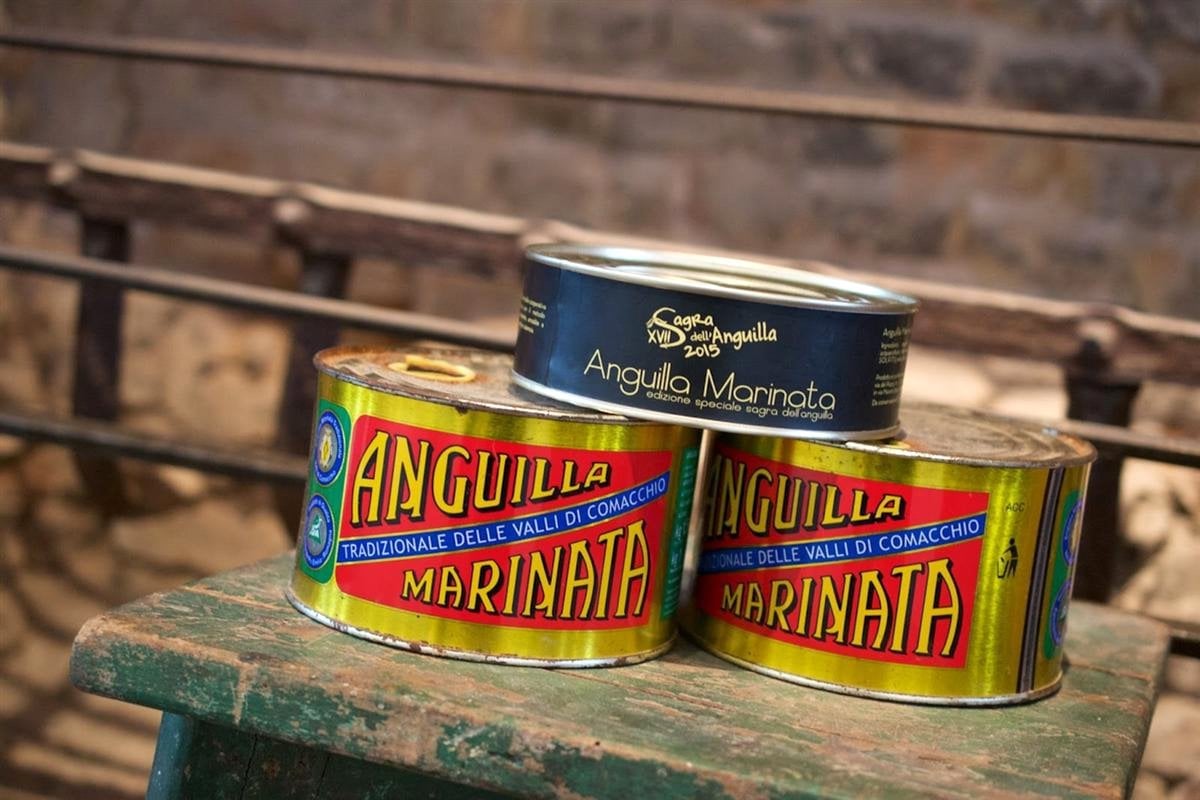
Marinated eel from the Comacchio Valleys is found in a very specific area of Emilia-Romagna, bordered by the Reno River, the Adriatic Sea, and the famous Comacchio Valleys.
This area of shallow waters, seawater channels and brackish water is the eels’ natural habitat.
Caught using traditional methods, the eels can be eaten fresh in countless traditional recipes. However, given that the fishing season is very limited (from November to January), it is traditional to marinate them in vinegar for preservation.
The secret to producing an excellent dish is to cook the eels thoroughly on a spit and, above all, to make the brine from vinegar, Cervia salt and water.
Reggiani Ancient Melon Varieties
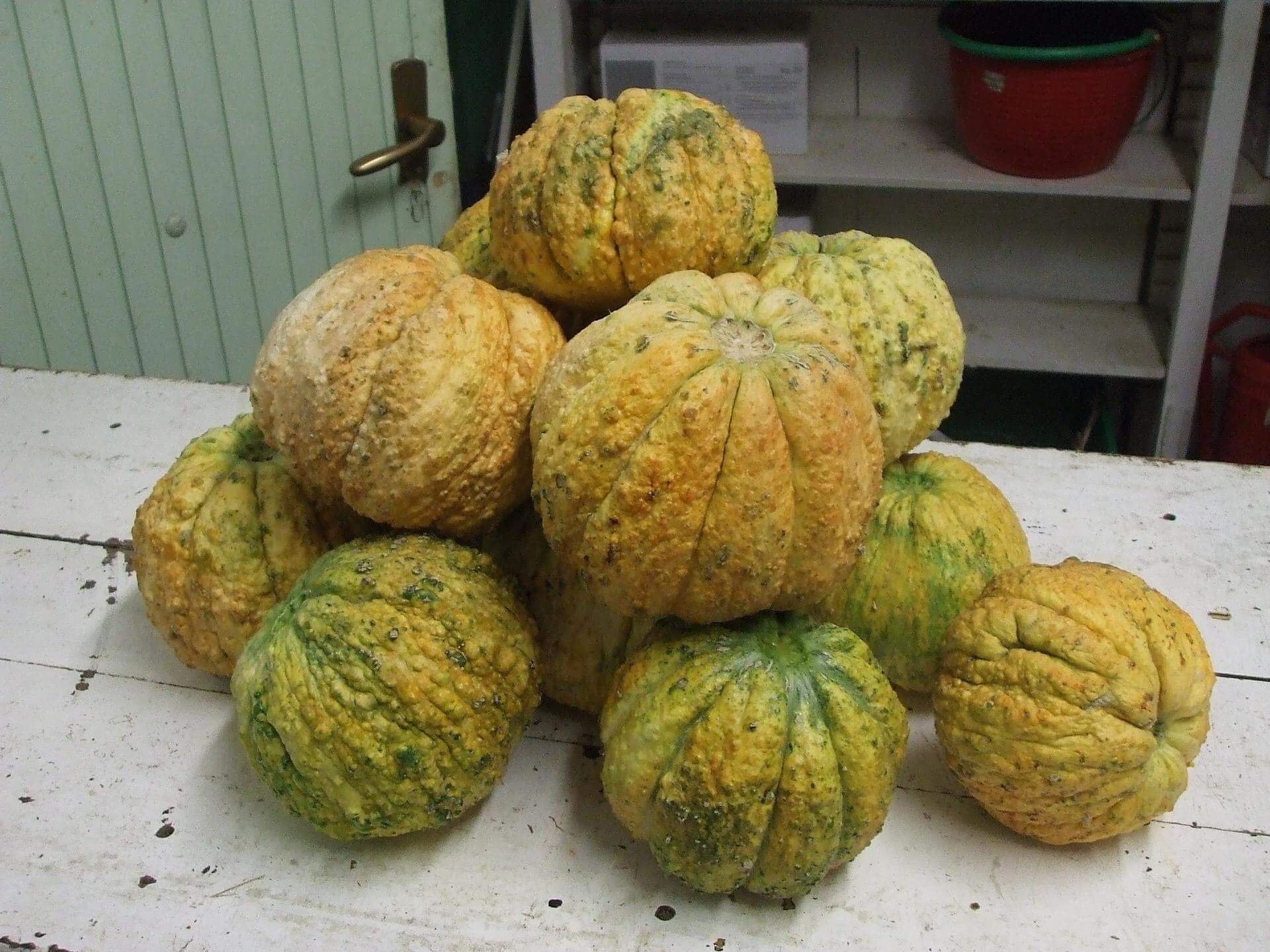
Melon cultivation in the Reggio Emilia area has a long tradition, especially in the valleys between Novellara, Guastalla and Santa Vittoria.
Their cultivation changed several times during the 20th century, mainly following the introduction of more marketable American hybrid varieties.
Thanks to a project involving the Antonio Zanelli Higher Education Institute in Reggio Emilia, four varieties of ancient Reggio Emilia melon, which had almost disappeared, have now been recovered: the melone rospo (very similar to a pumpkin), the melone banana Santa Vittoria (with a distinct banana flavour), the melone banana di Lentigione and the melone ramparino.
Vignola Moretta Cherry
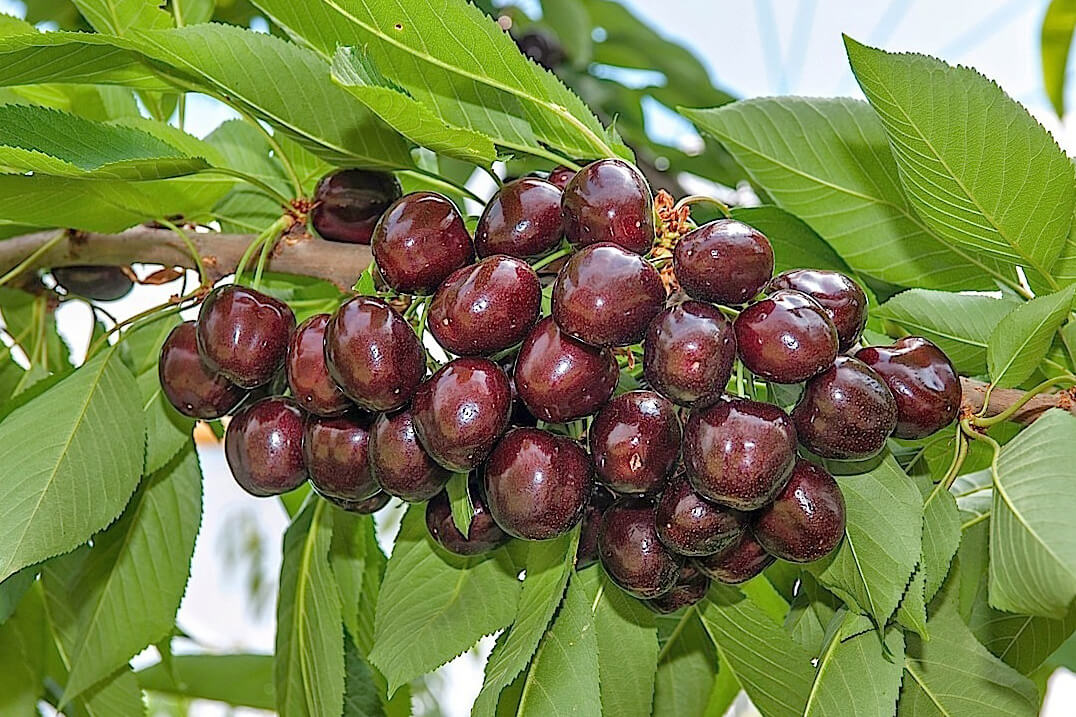
The Vignola black cherry, also known as the Moretta di Vignola or the ciliegia mora, is a native variety of cherry from Emilia-Romagna. It has been historically grown in the foothills alongside the Panaro River and other minor waterways, such as the Samoggia and Guerro streams.
First distributed commercially in the early 1900s, this variety is medium in size when fully ripe, with thin, shiny black skin and very tender, juicy flesh.
It is excellent when eaten fresh and is also perfect for making jams and compotes.
San Luca Violet Artichoke
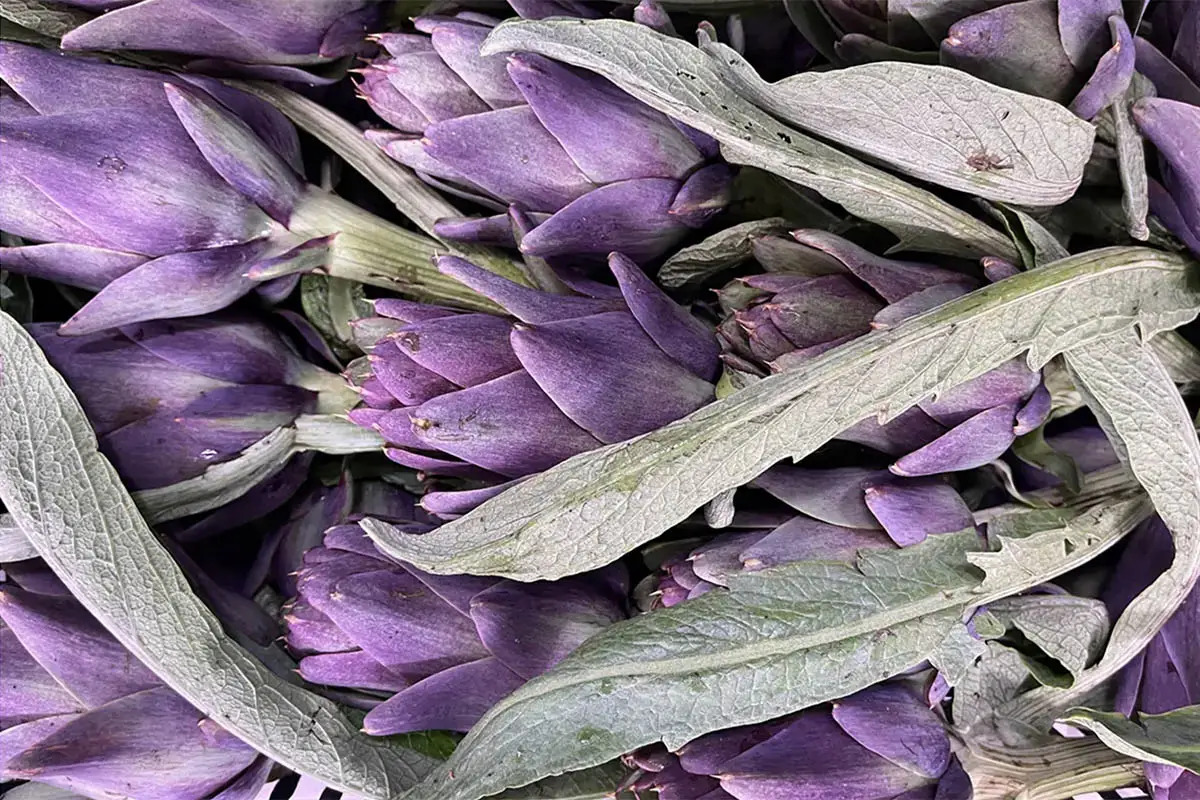
Today, not much remains of the artichoke fields that once covered the hillsides south of Bologna. In the first half of the 20th century, however, the violet artichoke of San Luca was one of the area’s main crops.
This variety has survived thanks to a few farmers who have preserved it and are committed to protecting and promoting it. While it is also cultivated in the Romagna region, it is in the clayey soils of the Bologna hills that it thrives, imparting a fresh, herbaceous flavour with hints of liquorice root to this variety.
They are typically eaten fresh or boiled and served with extra virgin olive oil and salt.
Santarcangelo Water Onion
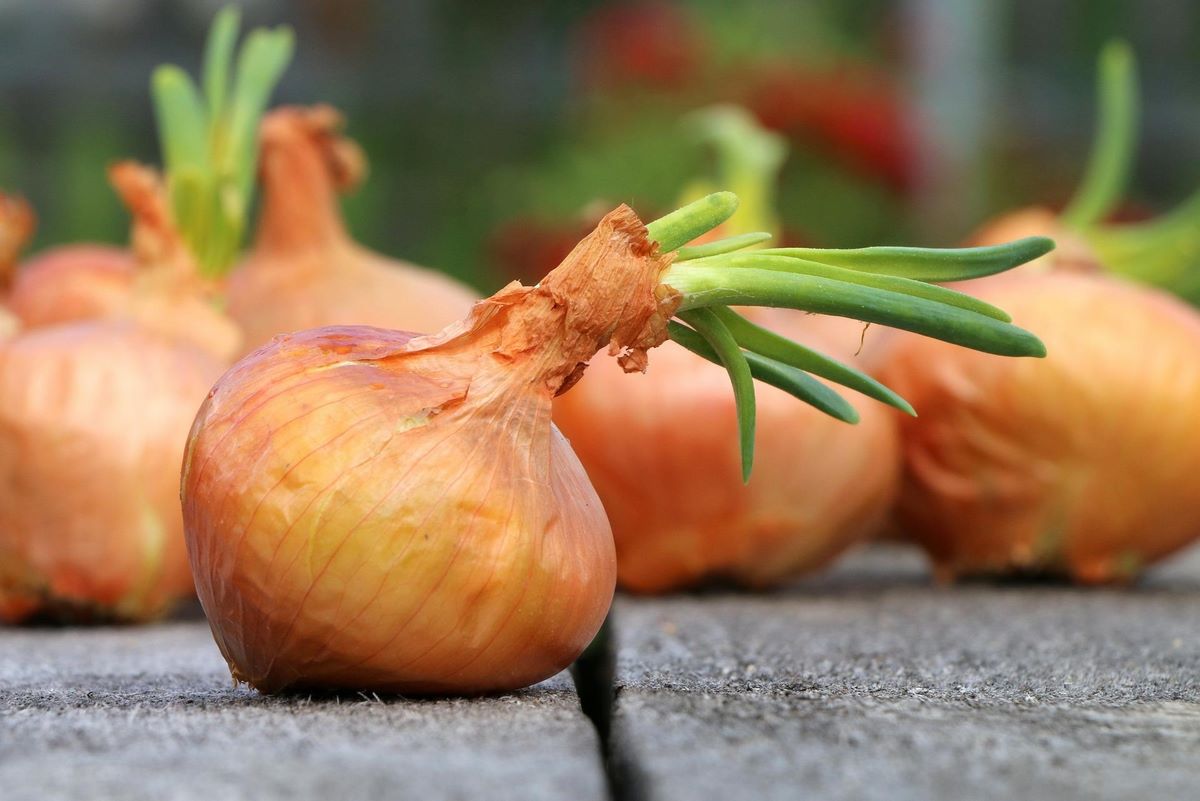
This type of onion is so closely linked to the village of Santarcangelo di Romagna, where it is still produced today, that its inhabitants were once known as ‘cipolloni’ (big onions).
The water onion grows along the banks of the Marecchia River, the waters of which were used for its cultivation in the past. Large quantities were needed, hence its name.
As it is highly perishable, the Santarcangelo onion is left to dry in the sun for a month before being stored in a cool place.
Traditionally, this speciality lasts until St Martin’s Day on 11 November, and it is delicious either cooked or raw with a drizzle of oil.
Culatello di Zibello
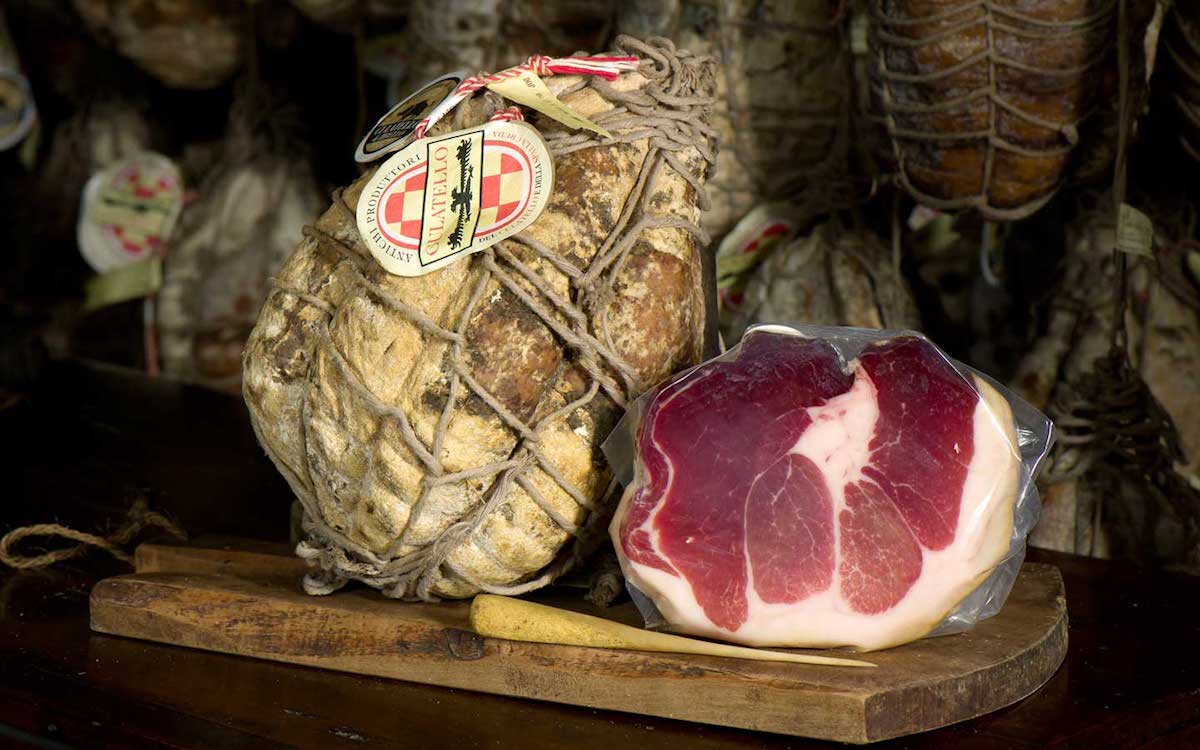
Take the finest part of the pig (the nut of the thigh), process it and try to make a salami. It sounds easy, but it isn’t! Culatello is one of the finest salamis in Italian charcuterie, partly due to the lengthy and intricate processing technique involved.
The Presidium’s culatelli, which are still produced using traditional methods, number only a few thousand per year — and for good reason!
The production area is limited to the municipalities of Polesine Zibello, Busseto, Soragna, Roccabianca, Sissa Trecasali, San Secondo and Colorno, all in the province of Parma.
They are also processed by hand and matured in natural environments, without the use of refrigeration systems.
Only sea salt and pepper are used for curing, though traditional methods involving wine and crushed garlic are also permitted.
Mariola
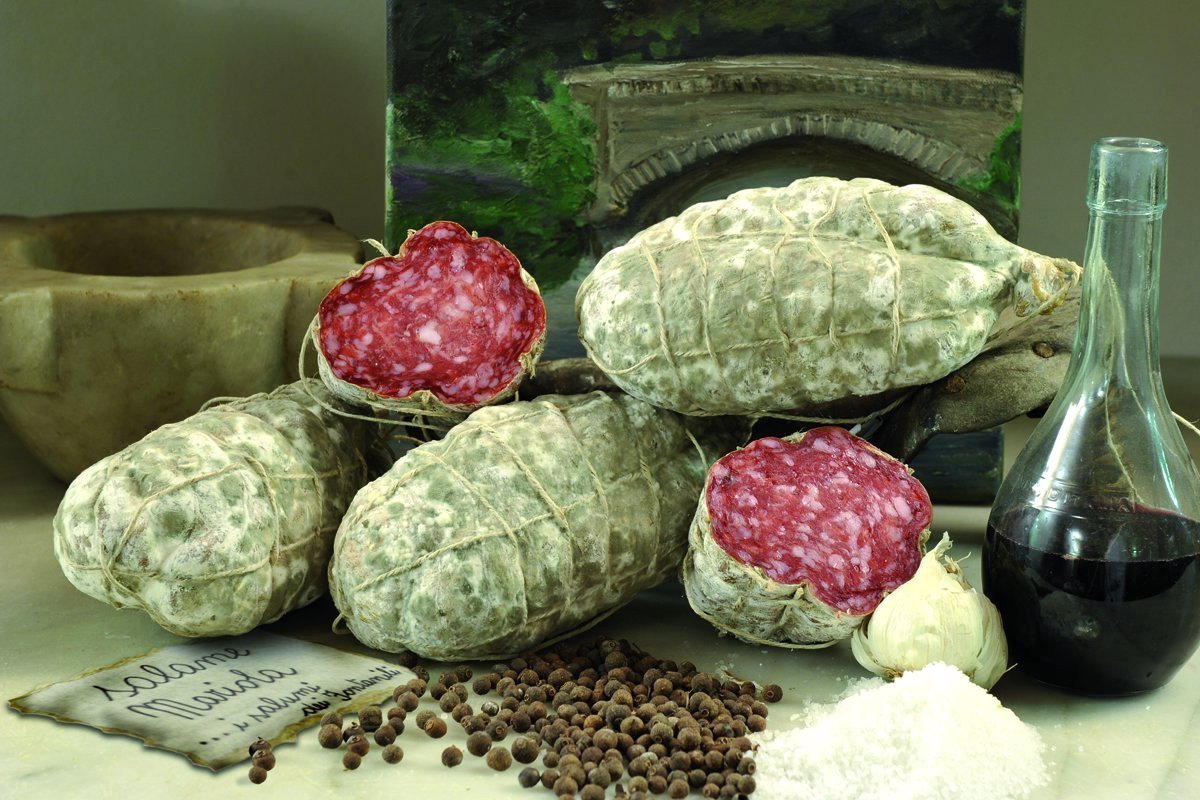
Produced from early autumn to late spring, mariola is one of the most traditional salamis of the Piacenza Apennines and the Parma lowlands. It is a large salami with a fine texture, flavoured with garlic and a little white wine.
Once considered the salami of the Christmas holidays, according to tradition there are two versions – a cooked version and a raw version – but the Slow Food Presidium focuses only on the latter, produced with the finest cuts of pork and aged for a minimum of 6 months and a maximum of 12 months.
Classic Mortadella
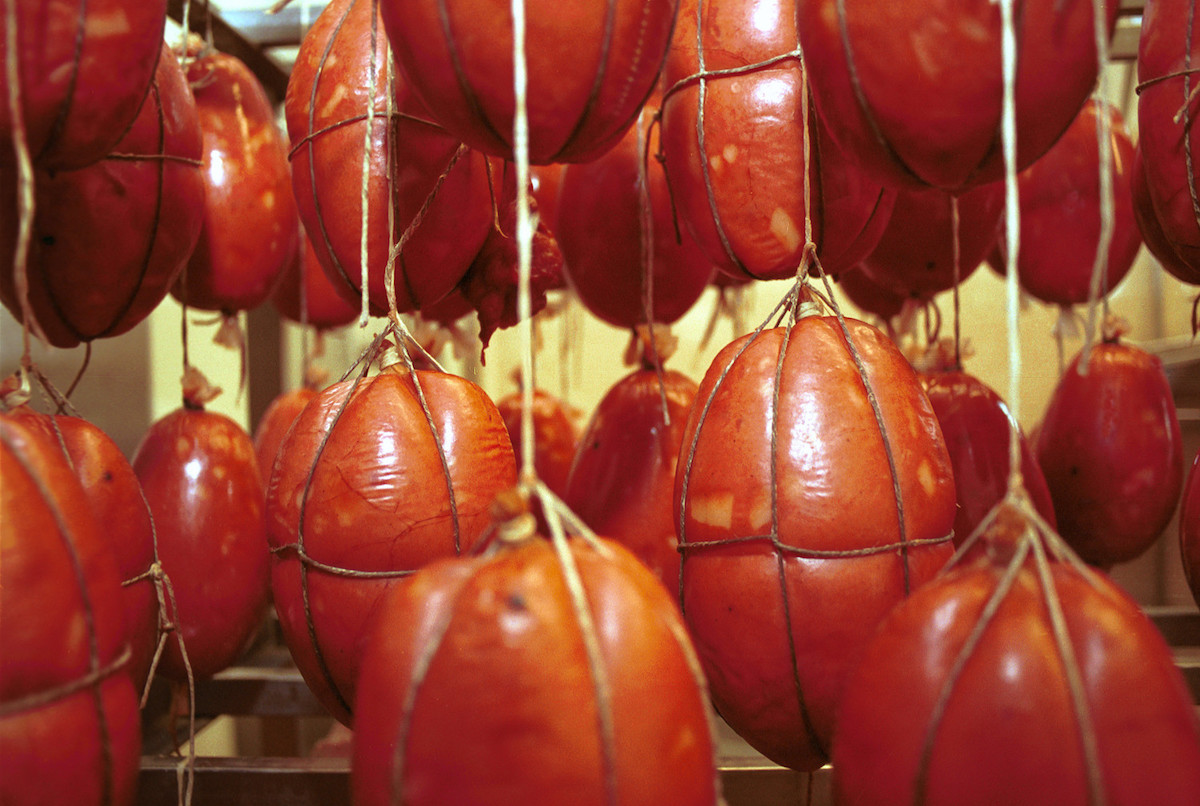
When you think of Bologna, two towers, the University, ragù, tortellini… and then the legendary mortadella (remember the famous sandwich?!) immediately come to mind. It is so present in the collective imagination that the geographical name of the city has been added to its name – mortadella bolognese.
Its origins date back to the Middle Ages and its recipe boasts an illustrious witness, Cristoforo di Messisbugo, who in 1557 accurately described all the stages of mortadella production and listed its ingredients.
Today, the quality of this salami varies depending on the type of meat used, the cooking time, the casing used and the presence or absence of additives and flavourings. The classic Presidium mortadella, which is produced exclusively by artisans, differs from others on the market in its slightly light-brown colour (rather than the pink we are used to). Furthermore, its aroma, which is not enhanced by additives or flavourings, is certainly less ‘overpowering’ than that of other mortadellas, but more complex.
Cornigliese Sheep
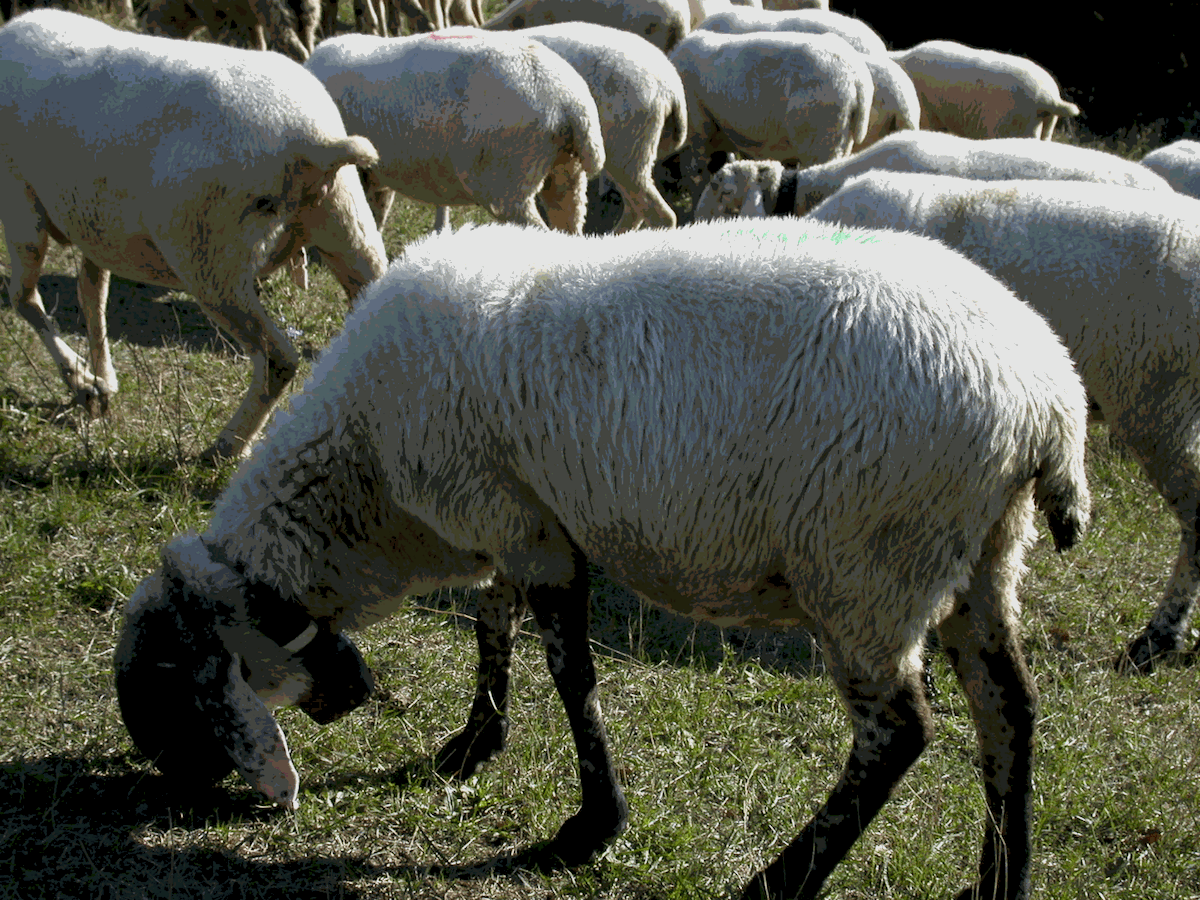
The cornigliese sheep is native to the Parma valleys, particularly the area around Corniglio, from which it takes its name. It has been bred in the upper Parma Apennines for several centuries. This large, hornless breed has a white fleece (sometimes spotted) that also covers its belly.
It was selected in the mid-18th century, when the Bourbons — who were then the Dukes of Parma and Piacenza — ordered the crossbreeding of local Parma sheep with Spanish Merino sheep to produce animals capable of yielding fine wool. At the beginning of the 20th century, it was crossed with Bergamo rams to enhance its meat production.
Of its three main qualities (milk, meat and wool), meat production is most important today due to its compact muscle mass and low fat content.
Cocomerina Pear
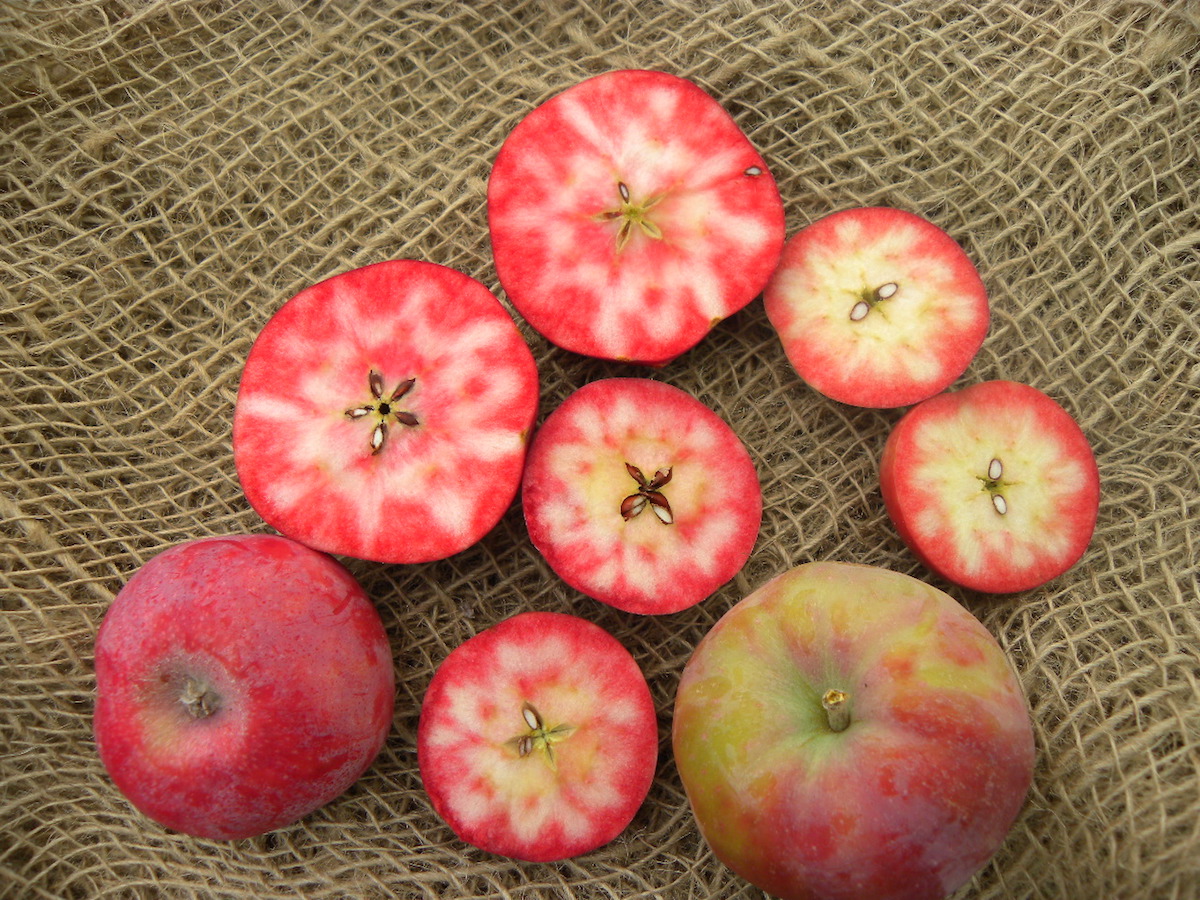
With green skin and flesh ranging from red to deep pink, the cocomerina pear is an ancient, almost forgotten fruit that is still grown in some areas of the Cesena Apennines today.
Sweet and highly fragrant with a subtle muscat and sorbet flavour, it comes in two varieties that differ according to the harvest period: the early variety is harvested from August to September, while the late variety is harvested in October.
It is difficult to find on market stalls and in supermarkets and is mostly used to make jams or syrups.
Nobile Pear
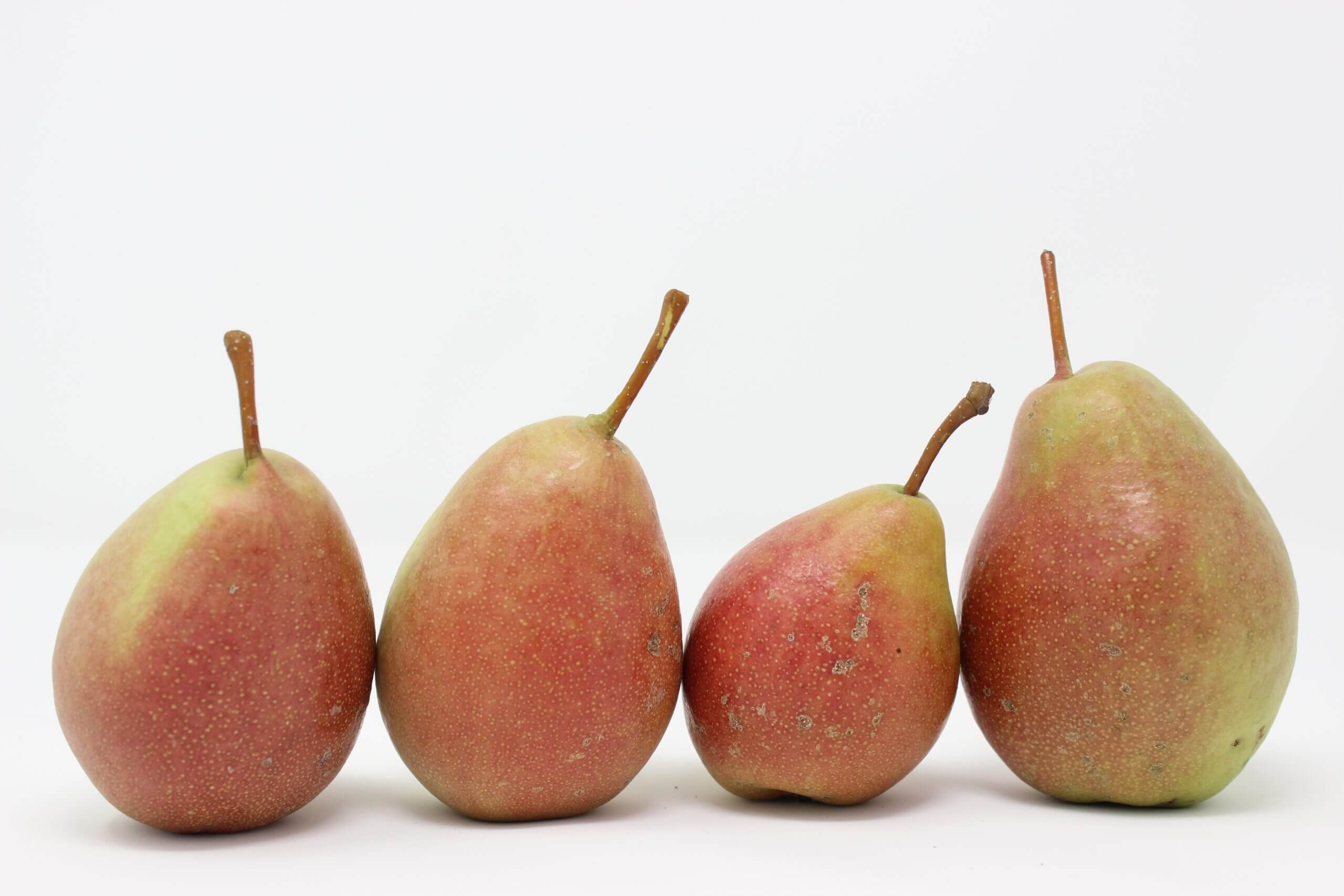
The nobile pear, known as ‘nobile’ in the Parma and Reggio Emilia areas and as ‘lauro’ in the Piacenza area, seems to have originated in Emilia by chance. A seed gave rise to a pear that was appreciated by local farmers, who passed it down from generation to generation until the present day.
Harvested in October, this small-to-medium-sized pear is characterised by its conical shape, thin yellow skin with reddish hues and fairly firm, fragrant flesh.
Due to its firm texture, it is not eaten when freshly picked, but is best cooked in wine or water, added to salads with potatoes or chestnuts, or used as a tortel dols filling.
Buco incavato Peach
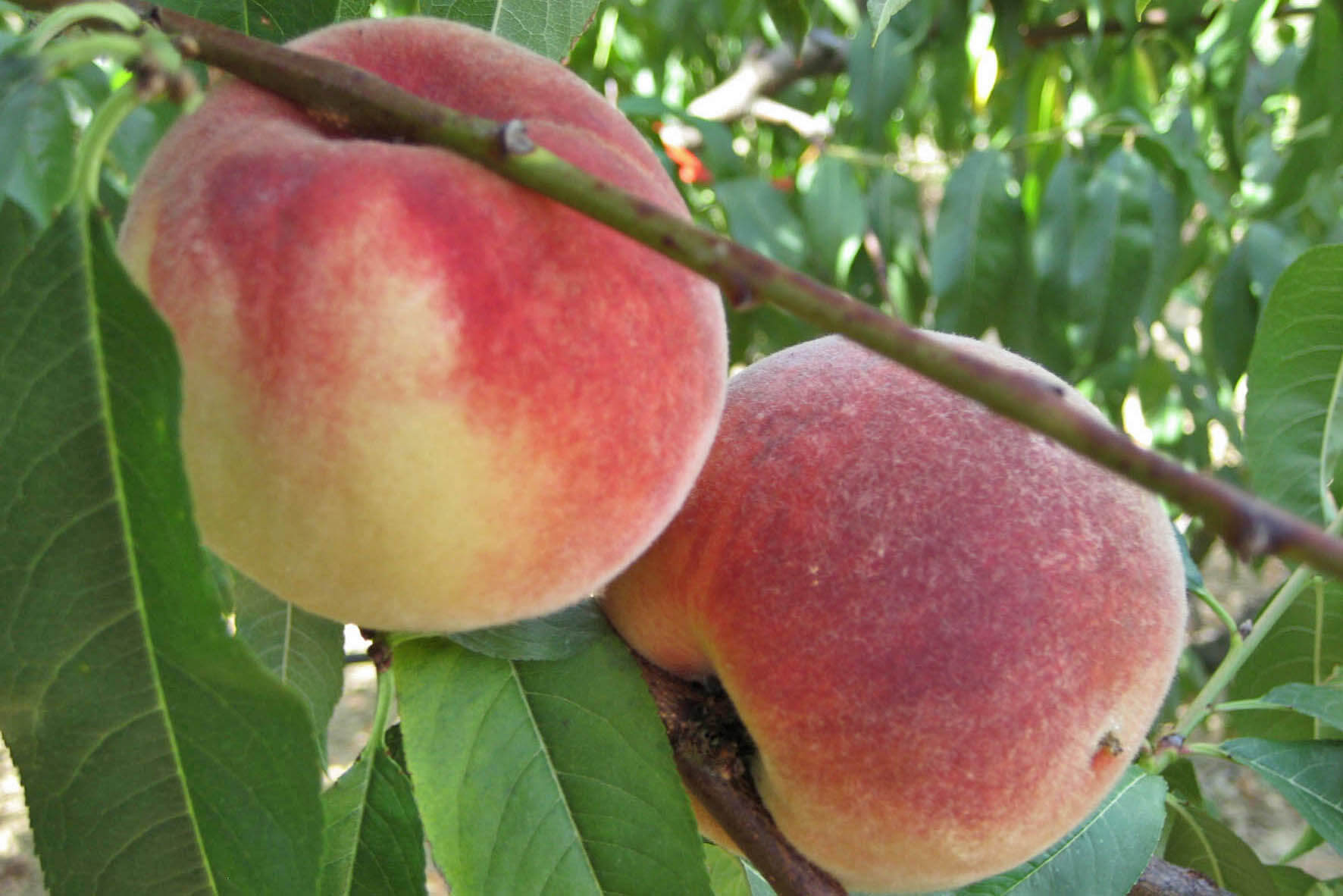
The origins of the buco incavato peach are closely linked to the Lower Romagna region, particularly the town of Massa Lombarda in the province of Ravenna, where it was cultivated between the late 19th and early 20th centuries under the name ‘Pesca di Massa Lombarda’. During this period, the entire area became the site of significant technical experiments in fruit tree cultivation, establishing it as a leading European fruit-growing region.
The pesca buco incavato is a medium-sized peach with deep red hues and white flesh with a fine texture and balanced flavour. It is usually harvested in mid-August and tastes best when eaten fresh.
Romagnolo Chicken
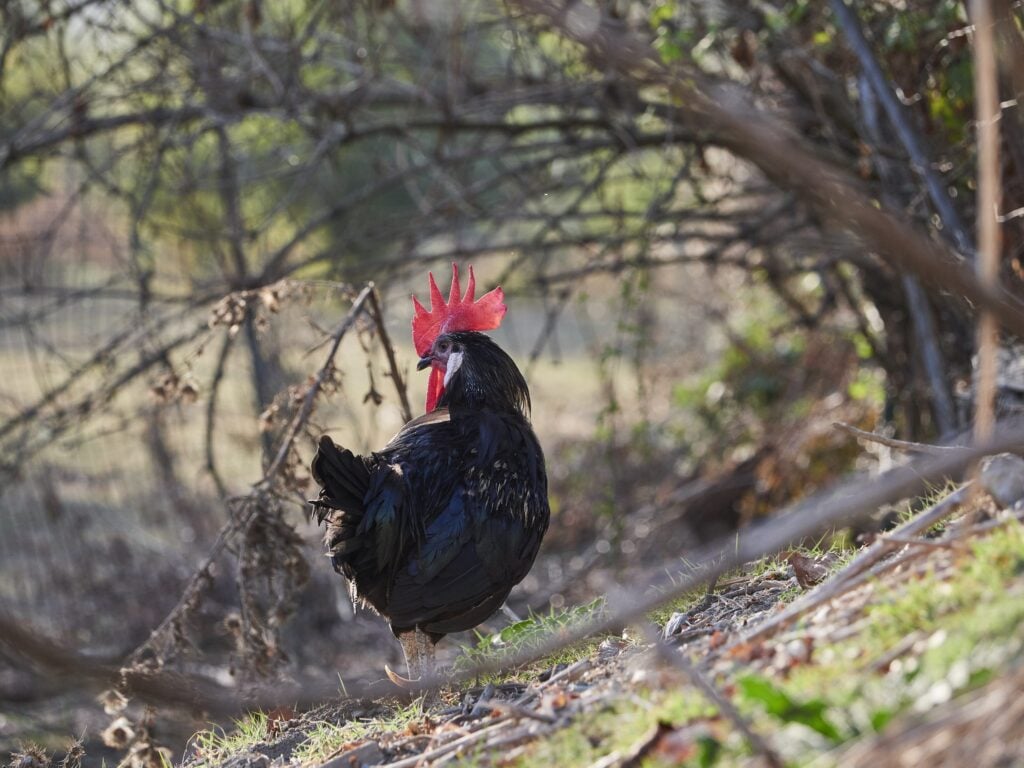
The Romagnolo chicken is a local breed that was widely farmed throughout Romagna until the middle of the last century.
It was gradually replaced by breeds that were considered more profitable and better suited to modern intensive farming. However, the Romagnolo chicken was saved from extinction when a pensioner from Ravenna provided the Faculty of Veterinary Medicine at the University of Parma with around fifty specimens so that they could start a conservation and repopulation programme.
This rustic and colourful chicken needs plenty of space and usually sleeps in the highest branches of trees.
Tuscan-Romagnol Apennines Raviggiolo
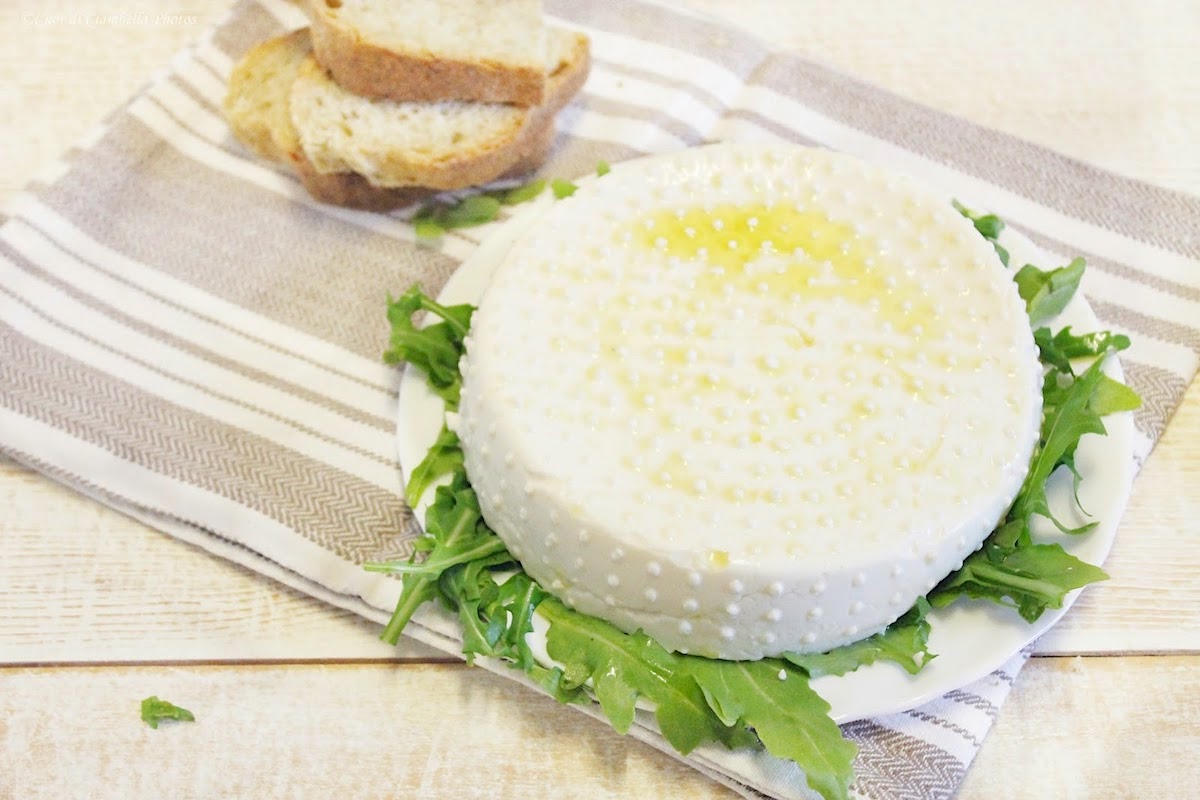
With centuries of history behind it, raviggiolo is described by Artusi as one of the key ingredients for making cappelletti all’uso di Romagna. And it is here, in some of the valleys of the Romagna Apennines, that it is produced with raw cow’s milk and rennet, without breaking the curd, but only draining the mass and salting it on the surface.
It is a cheese with a slightly buttery consistency, a white and soft texture, and a very delicate flavour.
Romagnola Cattle
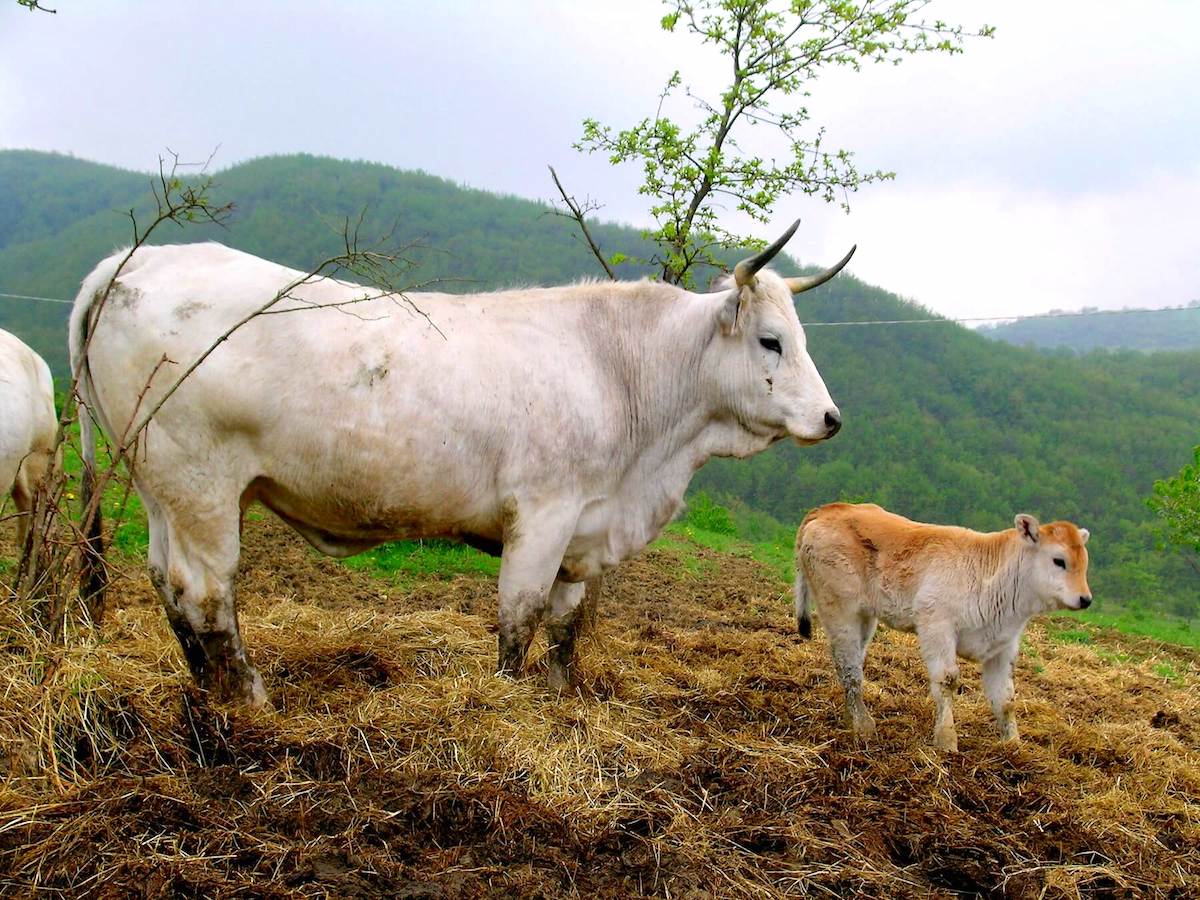
Milk, but above all meat: this is why the Romagnola cattle breed is reared, a breed that has been at risk of disappearing over the last fifty years due to the crisis in extensive farming.
Yet the history of the Romagnola breed has ancient origins: it is thought that its ancestors arrived in Italy with the Lombards or the Goths around the 4th century AD.
Recognisable by its light coat, with grey shades in different areas of the body, the Romagnola has remarkable muscle development and sturdy limbs. For this reason, it is considered the most climate-resistant cattle among the white breeds.
Mora Romagnola Pig
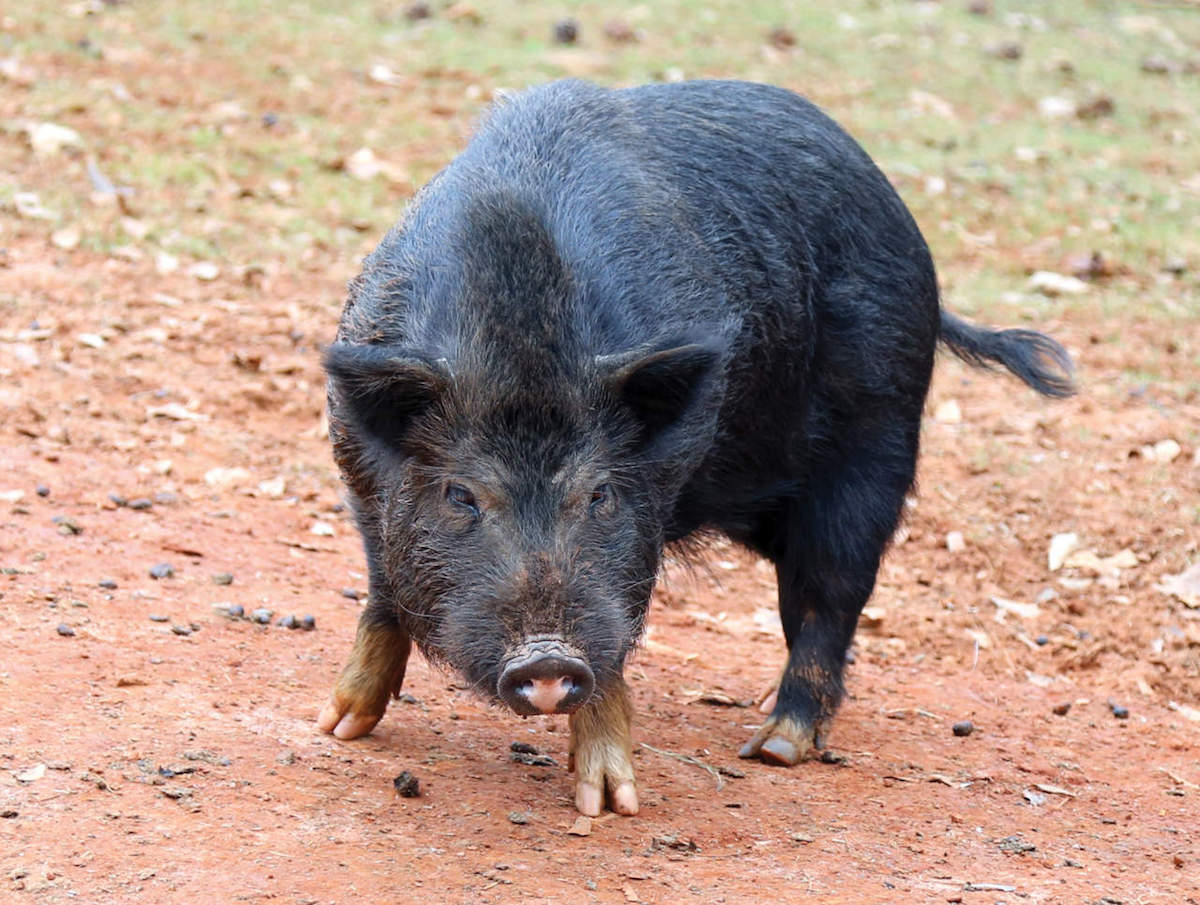
Like the Romagna cattle, the mora romagnola pig has also been at risk of extinction over the last fifty years due to industrial farming.
It is characterised by dark brown hair tending towards black, almond-shaped eyes, and long tusks that give it the appearance of a wild boar. However, its meat is excellent, being savoury, tender and compact.
Cervia Salt
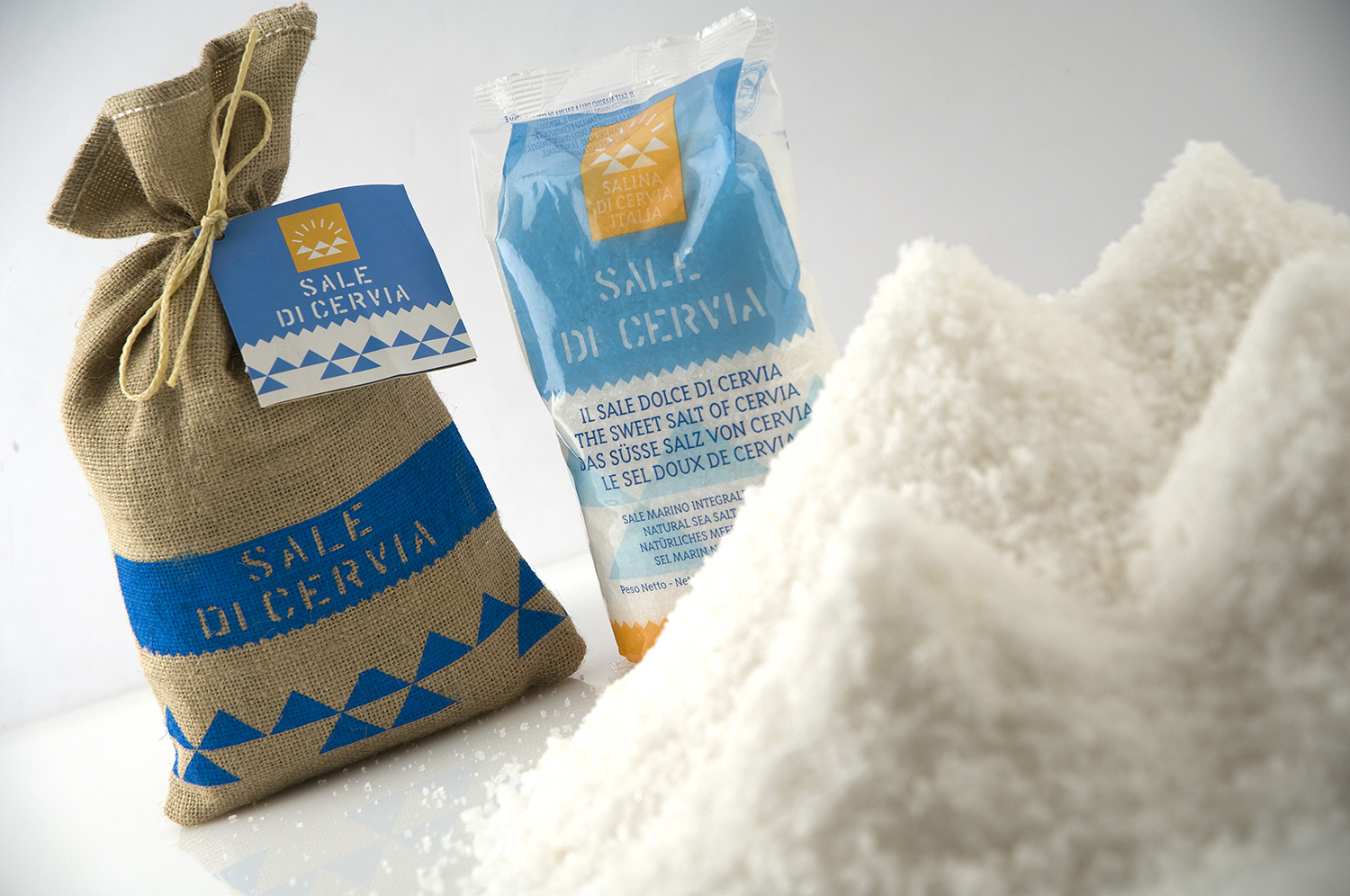
It is the ‘sweetness’ that distinguishes Cervia salt from all other salts on the market. This is all thanks to the artisanal production process, drying and harvesting, which prevents the formation of ‘bitter’ salts.
The origins of the Cervia salt pans are shrouded in mystery, with some believing them to be of Etruscan origin and others of Greek. What is certain is that salt production in these areas was already flourishing in Roman times, providing a valuable trade commodity even in the Middle Ages.
In 1959, ownership of the salt pans passed to the Italian Monopolies and, at the same time, the management decided to transform the 144 salt basins, with multiple harvests, into a single large body of water, where harvesting would take place only once a year and with mechanical means, according to the so-called “French” method.
In 1998, government decisions imposed the cessation of production, but the Municipality of Cervia decided to take over the salt pans and in 2002 the Management Company of the Salina di Cervia was established.
Thanks to this, today in one of the salt pans, the Camillone salt pan, salt is still harvested using the ancient Cervia artisan method.
Cervia’s sweet salt is excellent for cooking, but also for wellness and relaxation, given its use in Spas.
Bologna traditional Salame Rosa and Lyon
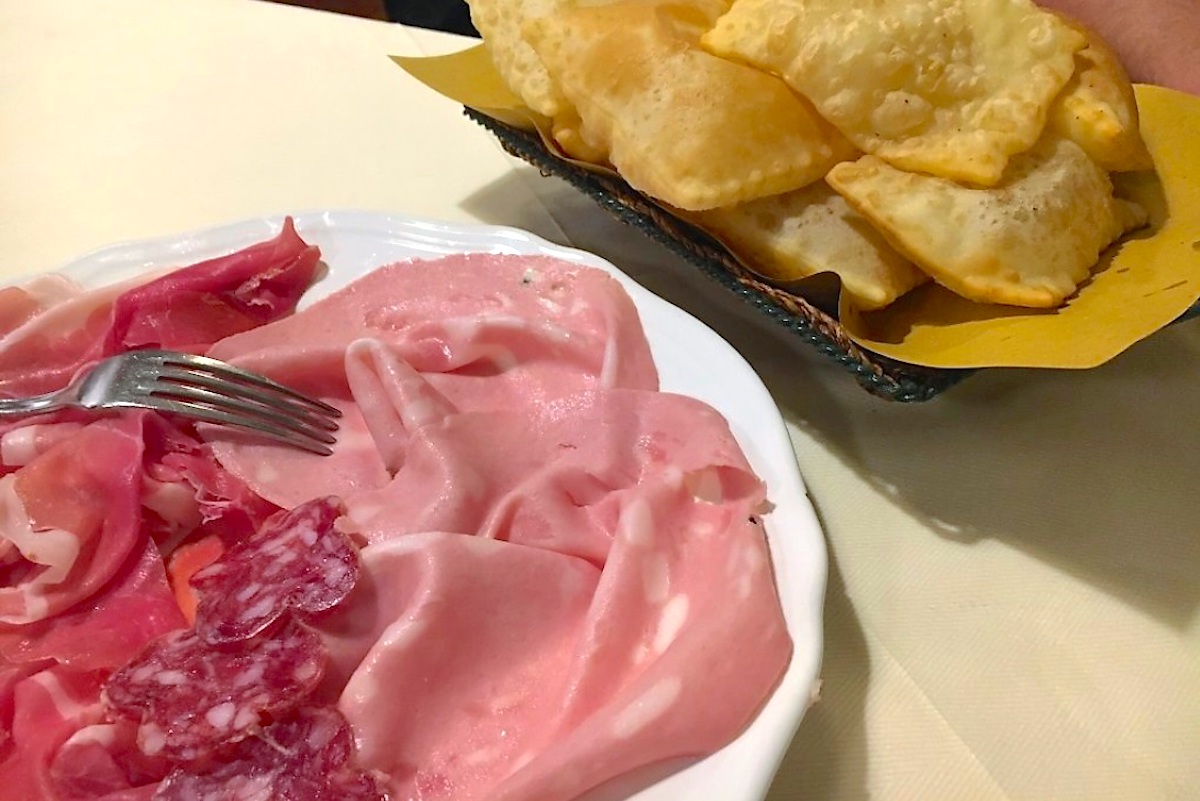
The traditional pink cured meats of Bologna, namely pink salami and lyon, can be considered the lesser-known siblings of mortadella.
These are two other types of cooked salami. Pink salami differs from mortadella in the way the meat is processed: shoulder, ham and under-shoulder are used, but only the latter two parts are minced, while the shoulder is cut with a knife into larger pieces, which give the cooked mixture a marbled effect. Lyon, on the other hand, originated from the practice of stuffing mortadella mixture into natural casings, giving the product the shape of a salami.
Spalla Cruda
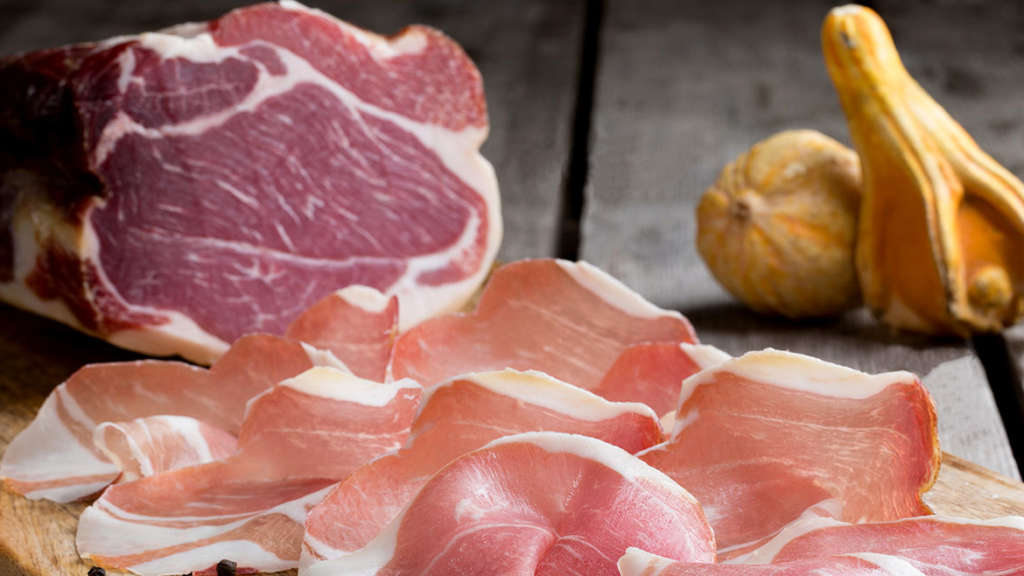
The shoulder, which in other geographical areas is reduced to a mixture of cotechini and salami, is instead elected queen of the art of pork butchery in Parma.
Spalla cruda is the result of a long and complex artisanal process (which does not involve the use of additives or refrigeration systems), at the end of which it must be aged for about 10-14 months: but, as we know, good things take time, love and patience.
Modenese White Cow
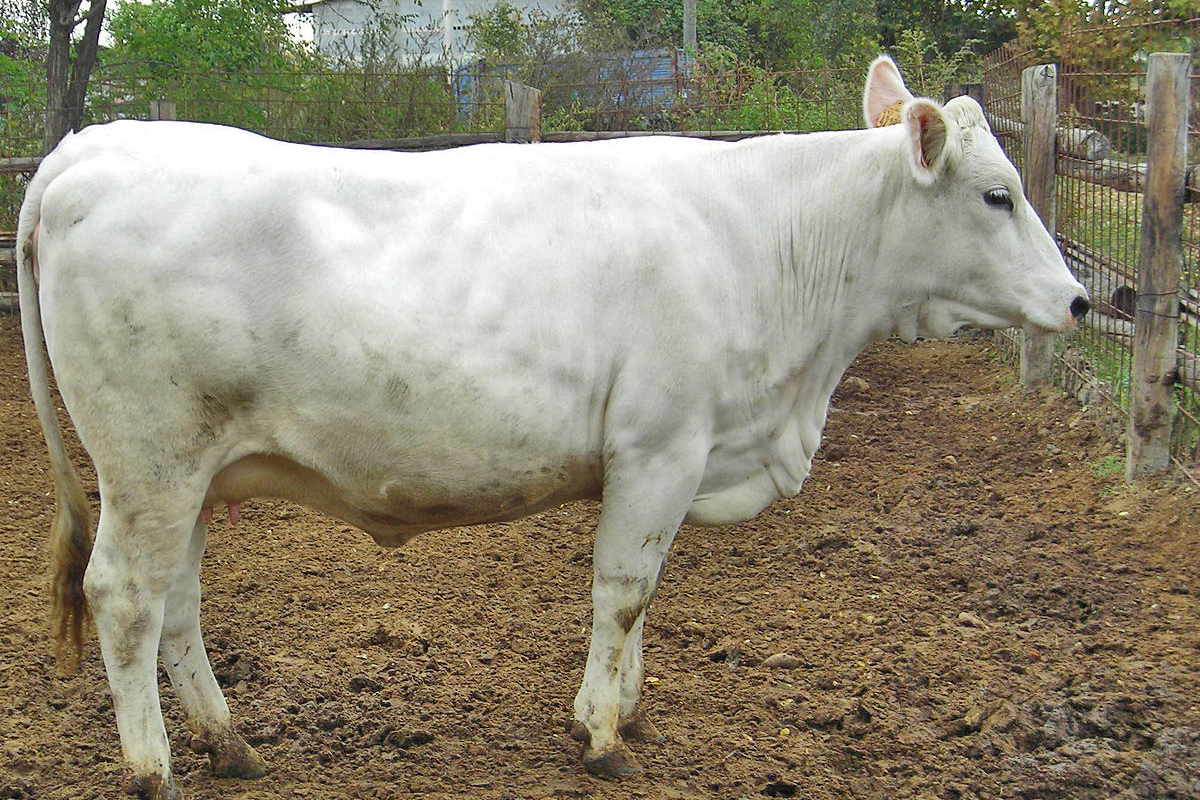
The origins of Parmigiano Reggiano are partly linked to the Modena white cow, before it was replaced by Friesian and Dutch breeds, capable of producing a greater quantity of milk per day.
This native breed, also known as Val Padana due to its close ties with the Po Valley, is found in the provinces of Modena, Ferrara, Mantua and Reggio Emilia and produces milk that is particularly suitable for cheese-making. In the past, however, in addition to being used for milk and meat production, it was also a valuable aid in farm work.
Author

Davide Marino
Davide Marino was born archaeologist but ended up doing other things. Rational – but not methodic, slow – but passionate. A young enthusiast with grey hair
You may also like
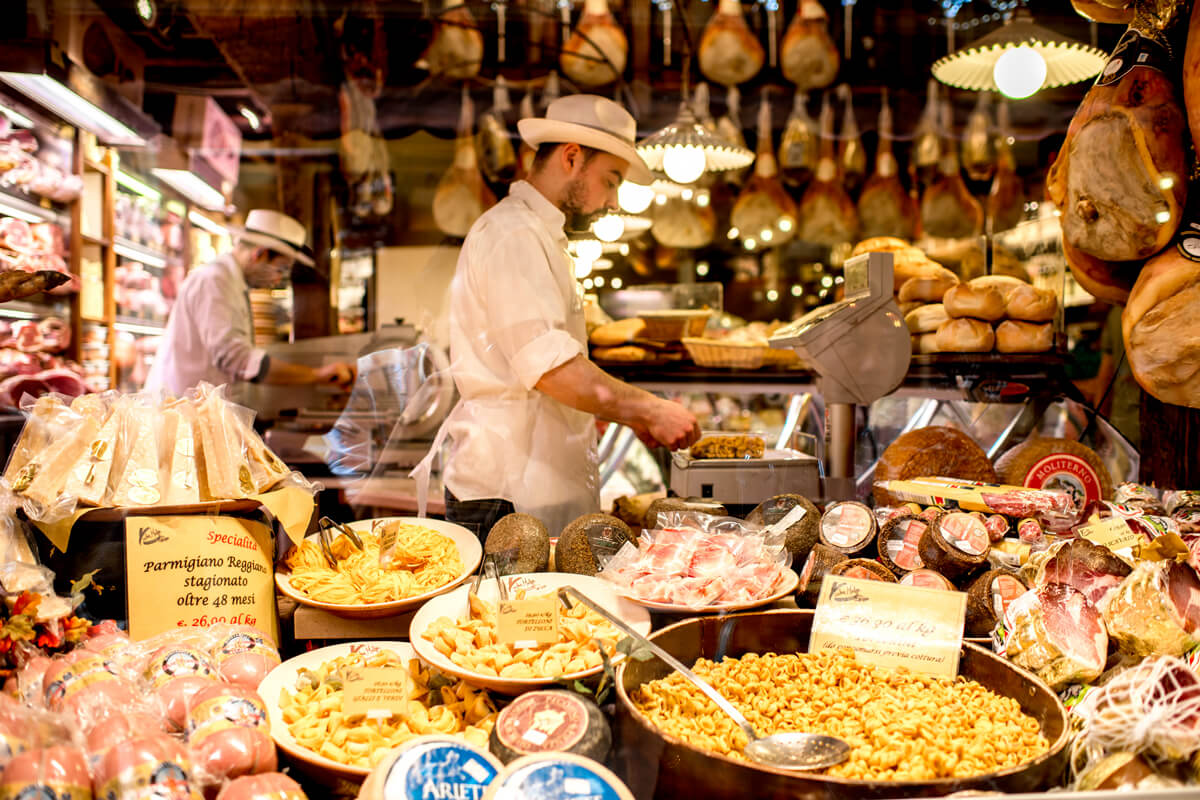
Emilia-Romagna’s Food Markets that You cannot miss!
by Davide Marino /// March 15, 2023
5 food experiences not to be missed in Emilia Romagna
by Elisa Mazzini /// September 6, 2016

Interested in our newsletter?
Every first of the month, an email (in Italian) with selected contents and upcoming events.
I Musei del Cibo: 9 tappe golose nel parmense
by Celestina Paglia /// November 18, 2016
Emilia-Romagna’s Food Markets that You cannot miss!
by Davide Marino /// March 15, 2023
5 food experiences not to be missed in Emilia Romagna
by Elisa Mazzini /// September 6, 2016
I Musei del Cibo: 9 tappe golose nel parmense
by Celestina Paglia /// November 18, 2016